


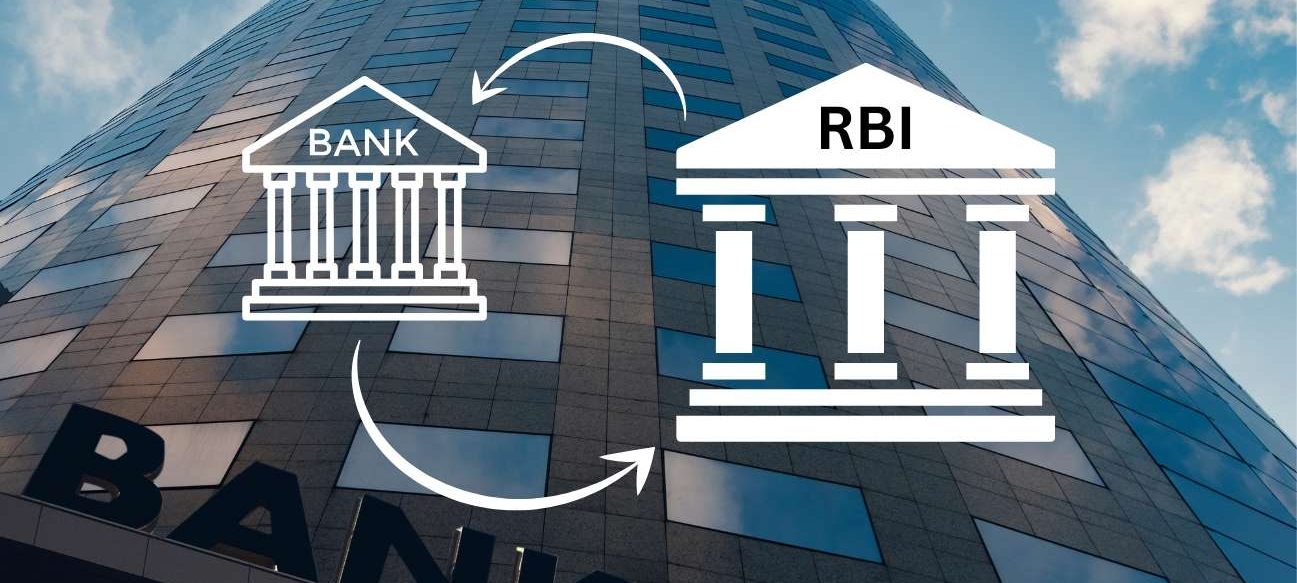
Why You Should Understand Repo & Reverse Repo Rate
Whether you're planning to take a loan, invest in fixed deposits, or just trying to make sense of why interest rates keep changing, you've probably heard about the repo rate and reverse repo rate. These are not just terms used in banking or by economists—they play a direct role in how money moves in our economy and how much it costs to borrow or save.
Set by the Reserve Bank of India (RBI), the repo & reverse repo rate are key tools of monetary policy used to regulate inflation, ensure economic stability, and influence liquidity in the market. They are adjusted based on current economic conditions and are reviewed every two months during the RBI’s monetary policy meetings.
But what do these rates really mean? And why should you, as a business owner, investor, student, or salaried employee, care about them?
This blog will help you clearly understand the concepts of repo and reverse repo rate, how they impact the economy, and most importantly—how they affect your day-to-day financial life.
Why Do Repo & Reverse Repo Rate Matter?
The repo & reverse repo rate are not just numbers—they are powerful tools the Reserve Bank of India (RBI) uses to regulate the economy. Here’s how they make an impact:
Control Inflation
Inflation occurs when the prices of goods and services rise, reducing the purchasing power of money. One of the RBI’s primary responsibilities is to maintain price stability—that is, keeping inflation under control.
- When inflation is high, the RBI increases the repo rate.
This makes it costlier for banks to borrow money, which in turn leads them to increase interest rates on loans.
As a result, borrowing becomes expensive, and people and businesses tend to spend less. This reduced demand helps slow down inflation. - When inflation is low or growth is weak, the RBI reduces the repo rate to encourage borrowing and spending, helping boost economic activity.
In short, repo rate acts as a brake or accelerator depending on the direction inflation is moving.
Manage Liquidity
Liquidity refers to the amount of money circulating in the economy. Too much liquidity can lead to inflation, while too little can slow down economic growth.
- The reverse repo rate helps RBI absorb excess liquidity from banks.
When the RBI increases the reverse repo rate, banks are encouraged to park their excess funds with the RBI to earn a safe return. This withdraws money from the economy, reducing excess liquidity. - Conversely, lowering the reverse repo rate discourages banks from holding money with the RBI and encourages lending in the market.
By using the repo and reverse repo rates strategically, the RBI balances the flow of money in the system—ensuring there’s neither too much nor too little liquidity.
Influence Interest Rates in the Economy
The rates at which commercial banks borrow from or lend to the RBI affect the interest rates they offer to customers.
- If the repo rate goes up, banks incur a higher cost of borrowing, which often leads them to increase loan interest rates for consumers (like home loans, business loans, car loans, etc.).
- Similarly, when the repo rate is lowered, banks reduce their loan rates to promote borrowing and spending.
This ripple effect allows the RBI to indirectly control consumer behavior, business expansion, and overall economic activity.
How Repo & Reverse Repo Rate Impact You (The Common Citizen)
The decisions made by the Reserve Bank of India (RBI) regarding the repo & reverse repo rate don’t just affect banks—they have a direct influence on your personal finances. Whether it’s your home loan, fixed deposit, or grocery bill, these rates silently shape your financial life.
Let’s understand how:
Loans & EMIs Become Expensive or Cheaper
When the repo rate increases, banks have to pay more interest to borrow funds from the RBI. To manage their own costs, they increase the interest rates on loans offered to customers.
This means:
- Your home loan EMIs may go up
- Business loans become more expensive
- New borrowers face higher interest rates
On the other hand, when the repo rate decreases, banks can borrow from the RBI at a lower cost. This leads to lower loan interest rates, reducing the monthly burden on borrowers.
Impact on You: Your monthly EMIs are directly linked to repo rate changes, especially if you're on a floating interest loan. Even a 0.25% change can make a noticeable difference over time.
FD (Fixed Deposit) Returns Can Go Up or Down
When the repo rate is high, banks may raise their FD interest rates to attract more deposits. This is because lending becomes costlier, so banks try to collect more money from the public.
This means:
- You earn better returns on your fixed deposits
- Senior citizens and retirees who rely on FD interest benefit the most
- New FD investors can lock in higher interest rates
When the repo rate falls, banks may cut FD interest rates, reducing your earnings on deposits.
Impact on You: If you depend on safe, fixed-income instruments like FDs, the repo rate indirectly decides how much your money grows.
Inflation Control = Price Stability for Daily Essentials
During periods of high inflation, the RBI raises the repo rate to discourage borrowing and spending. With higher loan costs, people and businesses reduce spending, which helps cool down prices.
This may not seem like a direct benefit, but it is:
- It protects your purchasing power
- Keeps the cost of essentials like food, fuel, and healthcare stable
- Encourages people to save more and spend wisely
Conversely, during economic slowdowns or low inflation, the RBI may cut the repo rate to boost borrowing, business activity, and consumption, helping revive the economy.
Impact on You: Though you might not notice it right away, these rate decisions affect the prices of things you buy every day.
How Do Repo & Reverse Repo Rate Work Together?
The repo rate and reverse repo rate are two sides of the same monetary policy coin. They are used in coordination by the Reserve Bank of India (RBI) to maintain economic stability. Let’s break down how they function together in detail:
1. RBI Role
- Repo Rate (RBI as Lender):
In the repo rate mechanism, the RBI acts as a lender of last resort. It provides funds to commercial banks in exchange for government securities. This helps banks manage short-term liquidity shortages. - Reverse Repo Rate (RBI as Borrower):
In the reverse repo rate setup, the RBI borrows money from banks. This happens when there’s excess liquidity (too much money in circulation). RBI accepts deposits from banks and pays interest at the reverse repo rate, thereby reducing the money supply.
2. Bank Role
- Repo Rate (Bank as Borrower):
When banks need funds—especially during tight liquidity situations—they borrow from the RBI by selling government bonds with an agreement to repurchase them later at a higher price (interest). - Reverse Repo Rate (Bank as Lender):
When banks have excess funds, they prefer to park that money safely with the RBI. In return, they earn a modest interest at the reverse repo rate. This is a low-risk investment for banks, especially in uncertain times.
3. Purpose
- Repo Rate – To Inject Liquidity into the System:
When the RBI lowers the repo rate, borrowing becomes cheaper for banks. As a result, banks have more funds to lend to businesses and individuals, which boosts economic activity. It’s often used during slowdowns or recessions. - Reverse Repo Rate – To Absorb Excess Liquidity:
When inflation is high or there’s too much money circulating in the economy, the RBI raises the reverse repo rate to encourage banks to deposit excess funds with it, thus pulling money out of the system and reducing inflationary pressure.
4. Effect on Economy
- Repo Rate – Stimulates Growth:
A lower repo rate means cheaper credit. This encourages borrowing by consumers and businesses, increasing spending and investment, which in turn stimulates economic growth. - Reverse Repo Rate – Controls Inflation:
A higher reverse repo rate attracts banks to park their surplus funds with the RBI instead of lending in the market. This reduces the money supply in the economy, helping to control inflation and prevent overheating of the economy.
In Summary
| Aspect | Repo Rate | Reverse Repo Rate |
|---|---|---|
| RBI Role | Lender | Borrower |
| Bank Role | Borrower | Lender |
| Purpose | Inject money into the system | Absorb money from the system |
| Effect on Economy | Stimulates growth | Controls inflation |
Together, repo & reverse repo rate help the RBI maintain a fine balance—promoting growth without letting inflation spiral out of control. They are used in tandem to adjust liquidity and steer the economy in the right direction.
What is the Current Status (as of July 2025)?
As per the Reserve Bank of India’s most recent monetary policy announcement in July 2025, the following key rates remain unchanged:
- Repo Rate: 6.50%
- Reverse Repo Rate: 3.35%
This decision indicates that the RBI has chosen to maintain a neutral stance, focusing on price stability and sustainable economic growth. By keeping the rates steady, the RBI is signaling that inflation is currently under control and there is no immediate need to either stimulate demand further or tighten liquidity in the market.
What This Means:
- For borrowers, loan interest rates will likely remain stable—no immediate hikes or drops in EMIs.
- For depositors, FD rates may not see any significant upward revision unless driven by market competition.
- For investors and businesses, this neutral stance provides predictability and helps in strategic planning.
RBI’s unchanged policy comes amid global economic uncertainties, cautious optimism around India’s inflation levels, and the need to maintain macroeconomic balance in a pre-election environment.
Conclusion
Understanding the repo & reverse repo rate isn't just for economists or bankers. It's for anyone who earns, spends, saves, or invests money. By staying updated with these rates, you become better equipped to make smarter financial decisions — from choosing the right time to apply for a loan, to knowing when to lock in a fixed deposit.
So next time you hear that “RBI is reviewing policy rates,” you won’t scroll past the headline — you’ll know exactly why it matters.