


Introduction
In today's digital age, launching an ecommerce business is one of the most successful and scalable methods to establish a brand. An ecommerce business is simply one that sells products or services online via a website, app, or marketplace rather than a physical store. Almost every product category, from apparel and accessories to electronics and handmade crafts, now has an internet presence.
Online shopping in India has risen rapidly in recent years, thanks to platforms such as Amazon, Flipkart, Meesho, and Myntra, which have fundamentally revolutionized consumer behavior. Millions of Indians shop online every day, thanks to affordable cellphones, high-speed internet, and secure digital payment systems such as UPI. This widespread digital adoption has created limitless chances for entrepreneurs to launch and grow their own online businesses.
What makes the current situation even more beneficial is the ease with which one can launch an online business in India. From company registration and GST filing to payment gateway setup and logistics, everything can now be done online with minimal paperwork. Affordable courier partners, digital marketing tools, and user-friendly website builders have enabled small company owners to reach customers all throughout the country.
If you've been thinking about expanding your business online or opening your first online store, now is the time to start. In this blog, we'll lead you through a step-by-step process for starting an ecommerce business in India, from idea selection and registration to marketing and growth.
Step 1: Identify Your Niche

The first and most important step in beginning an ecommerce business is deciding on the correct niche - the exact area of products or services you'll focus on. Your niche defines your target demographic, marketing strategy, and long-term profitability. A well-defined niche allows you to stand out in the competitive internet marketplace and create a brand that resonates strongly with a certain group of buyers.
When you try to sell "everything to everyone," it usually results in confusion and low sales. On the other hand, focusing on a particular niche allows you to personalize your items, content, and promotions to your clients' specific demands. Instead of opening a broad fashion store, you may focus on women's ethnic wear, eco-friendly cosmetics, or personalized handmade jewelry, each catering to a specific demographic with distinct interests.
Some popular and profitable ecommerce business niches in India are:
- Fashion and apparel encompass clothing, footwear, and accessories.
- Handmade & Craft Products: Lippan art, resin crafts, and home decor goods.
- Electronics and Gadgets include mobile accessories, smart gadgets, and audio equipment.
- Beauty and Skincare include organic skincare, haircare, and vegan beauty goods.
- Health & Wellness - workout equipment, vitamins, and natural remedies.
- Pet Care, Stationery, and Children's Products are all developing markets with loyal customers.
Market research will help you locate your suitable niche. Begin by searching Google Trends to see what's popular in your area. Visit Amazon Bestsellers or Flipkart Hot Picks to see which categories are doing well. Analyze your competitors' websites and social media accounts to see what things they sell, what draws engagement, and what gaps you might address. You can also use internet forums, Reddit, and Facebook groups to learn about client pain problems and product demands.
Remember, the best niche is found at the intersection of your passion, market demand, and profitability. Choose something that piques your attention while still maintaining consistent demand and a fair profit margin. A correctly chosen specialty establishes a solid basis for your ecommerce business and makes every subsequent step- from product sourcing to marketing—much smoother.
Step 2: Conduct Market Research

Market research is the foundation of any successful ecommerce business, transforming an idea into a viable prospect. Good research helps you understand who your customers are, what they want, how much they are willing to pay, and where there are gaps that your store can bridge. Investing time here reduces risk, sharpens your product approach, and improves marketing effectiveness.
Why does market research matter in ecommerce business?
- Validates demand: Confirms that consumers want and will purchase your product.
- Identifies the customers: Defines target categories, including their needs, behaviors, and purchasing triggers.
- Informs pricing and margins: Assists in setting competitive prices while maintaining profitability.
- Exposes competition and gaps: Learn what your competitors do well and where you may stand out.
- Guides marketing channels: Shows where your target audience spends their time (Instagram, YouTube, markets, etc.), allowing you to better allocate your marketing expenditure.
Step-by-step market research process
- Define your research aims.
- What would you like to learn? (e.g., demand magnitude, target customer profile, price sensitivity, rival strengths and weaknesses).
- Maintain 3-5 specific questions to drive your investigation.
2. Quantitative research—measure demand
- Search trends: Use Google Trends to monitor interest and seasonality for keywords linked to your product.
- Monthly search volume and CPC can be estimated using tools such as Google Keyword Planner, Ubersuggest, or premium tools (SEMrush/Ahrefs).
- Look at Amazon Bestsellers, Flipkart Hot Categories, and Meesho Top Sellers. Take note of the number of units sold, reviews received, and bestselling rankings. Jungle Scout and Helium 10 (for Amazon) are useful tools for estimating sales numbers.
- Check product review counts, average ratings, and the quantity of reviewers to determine demand strength.
3. Qualitative research—understand customers
- Create Buyer Personas: Define age, gender, income, location, interests, pain areas, and preferred purchasing methods (social, marketplace, or website).
- Customer Interviews and Surveys: Conduct short surveys (Google Forms / Typeform) or interview 10-20 potential clients. Key inquiries include: what problem do they have, how they are currently addressing it, how much they would pay, and which features are most important.
- Social listening involves monitoring conversations on Instagram, Facebook groups, Reddit, Quora, and product comments to identify genuine complaints and wanted features. Tools include BuzzSumo and native platform searches.
4. Competitor analysis
- Identify direct and indirect competitors. Direct means the same product category, while indirect means different solutions.
- Create a competition matrix that compares product variety, price points, shipping times, return policy, customer service, unique selling factors, marketing channels, and customer feedback (common complaints).
- Benchmark content and UX: Analyze competitor product pages to see what information sells (pictures, videos, reviews, FAQs). Take note of the page structure, call to actions, and trust signals used.
5. Price and Margin Testing
- Estimate the landed cost per product by adding the product cost, packaging, shipping, payment gateway costs, marketplace commission (if applicable), and returns buffer.
- Set up three price tiers: competitive, premium, and discounted. Evaluate the predicted margin at each step.
- Evaluate elasticity: Run short advertisements or landing page tests to compare conversion rates at various pricing points.
6. Channel and fulfillment research
- Determine the principal sales channel(s): your own website (WooCommerce/Shopify), marketplaces (Amazon/Flipkart/Meesho), social commerce (Instagram/Facebook), or a combination.
- Compare logistics partners' pricing and delivery times (Shiprocket, Delhivery, Ecom Express, etc.). Determine whether you will offer COD and how this will impact cash flow and returns.
7. Validate using short experiments (MVP tests).
- Landing page test: Build a one-page website that describes the product and collects emails or pre-orders. Use straightforward CTAs ("Notify me", "Pre-order").
- Ad tests: Place tiny budget advertisements (Meta/Google) on the landing page and track CTR, CPC, and sign-up/conversion rates.
- Pre-order or crowdfunding: Assess willingness to pay before manufacturing inventory. This reduces the initial investment.
8. Estimate the market size (TAM, SAM, SOM).
- TAM (Total Addressable Market) refers to the number of prospective buyers in India for your product category.
- SAM (Serviceable Available Market): The portion of TAM that is reachable through your channels/region.
- SOM (Serviceable Obtainable Market): A realistic share that can be captured within the first 1-3 years.
- Build cautious predictions using public reports, industry sources, market data, and Google keyword quantities.
9. Regulatory and compliance checks.
- Check for any product-specific regulations (e.g., cosmetics, food, and electronics require certification or compliance).
- Check the labeling rules, FSSAI for food, or BIS/ITA requirements for electronics, if any.
Tools & resources (quick list)
- Trends & keywords: Google Trends, Google Keyword Planner, Ubersuggest
- Competitor & SEO: SEMrush, Ahrefs (paid)
- Marketplace analytics: Jungle Scout, Helium 10
- Social listening: BuzzSumo, platform searches, Reddit/Quora
- Surveys & forms: Google Forms, Typeform
- Landing pages & ads: Unbounce, Carrd, Shopify, Meta Ads, Google Ads
- Logistics research: Shiprocket, Delhivery, Ecom Express websites & rate calculators
What to measure — key metrics
- Search volume & trend growth (monthly searches)
- Competitor review counts & average ratings
- Estimated marketplace sales (units/month)
- Landing page conversion rate (email capture % or pre-order %)
- Ad CTR and cost per lead (CPL)
- Expected gross margin (%) and break-even units/month
Common pitfalls to avoid
- Relying only on intuition—skip data validation and you risk building for a nonexistent demand.
- Ignoring customer feedback channels—reviews and comments often reveal product improvements that sell.
- Over-extending product range too quickly—start narrow and expand based on proven demand.
- Pricing without accounting for all costs—remember returns, COD fees, and packaging.
Step 3: Choose a Business Model for your Ecommerce Business

After you've defined your specialty and investigated the market, the next stage in launching your ecommerce business is to select the appropriate business strategy. Your business model determines who you sell to, how you sell, and how you handle operations such as inventory, logistics, and customer service. Choosing the correct model early allows you to plan your investments, pricing, and marketing strategy more successfully.
There are various ecommerce models to choose from, depending on your goods, budget, and target audience. Let's look at each one in depth.
1. B2C (Business to Consumer)
This is the most popular ecommerce model, in which a company sells directly to end users. Popular examples are Amazon, Flipkart, Nykaa, and Myntra.
This model is ideally suited for launching an online store offering things such as clothing, electronics, home décor, or accessories.
Advantages:
- Customers can be contacted directly.
- Social media and digital marketing make it easier to create your brand.
- Opportunity to gather input and develop goods swiftly.
Challenges:
- Popular niches are highly competitive.
- A solid marketing strategy is required to attract and retain customers.

2. B2B (Business to Business)
Businesses use this approach to offer their products or services to other businesses. Alibaba, IndiaMART, and TradeIndia are some examples of platforms where suppliers can interact with retailers, wholesalers, and other businesses.
Advantages:
- Higher order quantities and longer-term contracts.
- Once partnerships are created, income becomes more stable.
Challenges:
- Longer sales cycles. Needs relationship-based marketing and trust-building.
- B2B ecommerce is perfect for businesses that manufacture, distribute, or supply large quantities of items, such as packaging materials, industrial equipment, or raw materials.

3. C2C (Customer to Customer)
This strategy enables individuals to sell directly to other consumers via an online marketplace. Websites such as OLX, eBay, and Facebook Marketplace follow this concept, with sellers listing used or new products and consumers connecting directly with them.
Advantages:
- Easy entry - you can start with a small investment.
- Suitable for resale, handcrafted things, or pre-owned goods.
Challenges:
- Reduced profit margins.
- Platform-dependent; vendors have little control over branding or consumer experience.

Popular Ecommerce Business Fulfillment Models
Aside from selecting your selling structure (B2C, B2B, etc.), you must also determine how your products will be sourced, stored, and delivered. The following are the three most popular fulfillment models:
1. Dropshipping Model.
Dropshipping eliminates the need to store your own inventory. Instead, you work with suppliers to distribute things straight to your clients when they place an order.
Here's how it works:
You display things on your website, customers place orders, you transmit them to your supplier, and the provider ships directly to the client.
Pros: Startup costs are low (no inventory or warehousing required). Beginners will find it easy to get started.
Cons: Reduced profit margins. Limited control over product quality and delivery time. Dropshipping is perfect for businesses who wish to test their product ideas before spending considerably.

2. Private Label Model.
In this technique, you establish your own brand by acquiring products from manufacturers and labeling them with your own name.
For example, you may purchase organic skincare items from a manufacturer and sell them under your own brand.
Pros:
- Promotes strong brand identity and loyalty.
- Higher profit margins than dropshipping.
- You have control over the product's quality and packaging.
Cons:
- Initial investment is required for production and branding.
- Inventory management and fulfillment are both required.
- This approach is ideal if you want to build a long-term brand with distinct offerings.
3. Marketplace Model
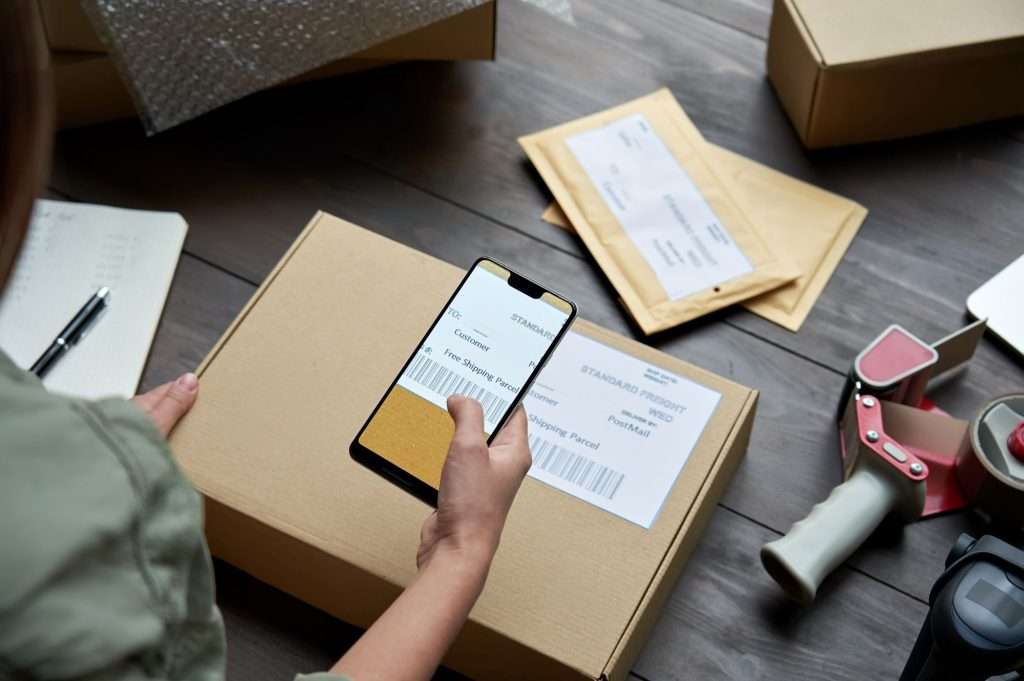
Instead of creating your own website, you can register as a seller on popular ecommerce platforms such as Amazon, Flipkart, Meesho, or Etsy. These platforms already have a large consumer base and handle most backend logistics.
Pros:
- Easy access to millions of customers.
- The setup work is minimal.
- Trusted platforms boost consumer confidence.
Cons:
- High competitiveness and platform commissions.
- Limited brand control.
This approach is appropriate for merchants who desire increased visibility and consistent sales without having to manage their own website initially.
Step 4: Register Your Ecommerce Business

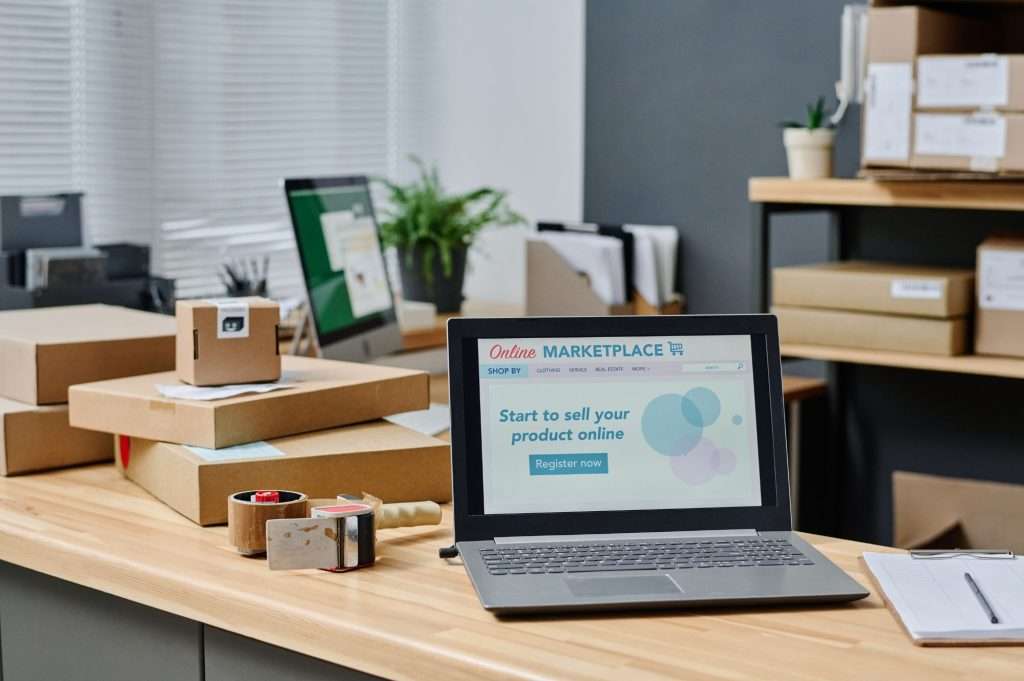
Once you've decided on a specialty and business concept, the following step is to legally register your ecommerce business in India. This establishes your brand's professional identity and fosters confidence with customers, suppliers, and payment partners. It also assures that you can get government benefits, create a bank account, and comply with tax requirements.
Here's how to get started.
- Choose a Legal Structure:
Determine the appropriate business structure based on your goals, size, and growth plans. Common choices include:
- Sole Proprietorship: Ideal for individuals starting out small. Simple to register and administer.
- Partnership Firm: Suitable for enterprises founded by two or more individuals who share earnings and obligations.
- Private Limited Company: Ideal for people looking for capital, scalability, or to establish a brand image. It's the most common form for e-commerce firms.
- Limited Liability Partnership (LLP): Combines the advantages of limited liability with flexibility — ideal for medium-sized businesses.
2. Apply for Business Registration:
Register your firm under your preferred structure with the Ministry of Corporate Affairs (MCA) or municipal authorities. This phase establishes a legal identity and issues a certificate of incorporation.
3. Obtain Key Licenses and Registrations:
To operate legally and smoothly, you will require:
- GST registration is required for selling products online or across states.
- Udyam/MSME Registration: Allows small and medium-sized businesses to receive government subsidies.
- Most jurisdictions require a Shop and Establishment License for physical offices and warehouses.
- Trademark registration protects your brand's name and logo from unauthorized usage.
Open a Business Bank Account:
- After registering, create a current account in your company name. It promotes transaction transparency and is necessary for integrating payment gateways.
Register with Marketplaces:
- To sell on sites such as Amazon, Flipkart, Meesho, or Myntra, give business registration, GST, and bank details during onboarding.
Step 5: Build Your Ecommerce Business Website

Your ecommerce website is the heart of your online business; it serves as a digital storefront for customers to browse, shop, and create trust in your brand. A well-designed, secure, and easy-to-navigate website may leave a lasting impression and have a direct impact on sales and reputation.
Here's a step-by-step guide to creating a powerful ecommerce website.
- Choose the Right Platform:
- Choosing an ecommerce platform depends on your budget, technological expertise, and business objectives. Some prominent alternatives are:
- Shopify is ideal for novices. It includes ready-made templates, connected payment methods, and inventory management capabilities.
- WooCommerce is a WordPress plugin ideal for individuals who already have a WordPress site and want complete customization control.
- Wix eCommerce is ideal for small enterprises and creative merchants who appreciate drag-and-drop simplicity.
- Custom-built Websites: specific-built websites are ideal for large enterprises that require advanced capabilities, scalability, and specific design elements.
Each platform has advantages and disadvantages, but the important thing is to choose one that is appropriate for your company's size and prospective growth.
2. Prioritize User Experience and Design:
Ensure your website is visually appealing, clean, and easy to use. Include high-quality product photos, brief descriptions, and unambiguous CTAs (Calls to Action) such as "Buy Now" or "Add to Cart."Create Essential Website Pages:
Ensure your website has all necessary pages to enhance user experience and develop trust in your brand.
- Home Page: The home page is your initial impression; highlight your greatest products, special deals, and brand story.
- Shop/Product Page: Showcase your items with clear photos, prices, and descriptions.
- About us: Share your brand's journey, mission, and what sets your products apart.
- Contact Page: Include an email address, a phone number, social media links, and, ideally, a contact form.
- Return and Refund Policy: Clearly express the terms to avoid confusion and increase buyer trust.
- Privacy Policy and Terms of Use: It is mandatory to comply with data protection rules and preserve transparency.
- Optimize for mobile devices: In India, more than 70% of online customers use smartphones. Your website should be mobile-friendly, load quickly, and offer a consistent browsing experience across all devices. Responsive design not only enhances user experience, but it also helps SEO rankings.
- Integrate Secure Payment Gateways: Ensure a smooth and secure checkout process. Accept UPI, debit/credit card, and wallet payments using trusted payment options such as Razorpay, Paytm, Cashfree, or Stripe. To protect customer data, verify that your website is SSL certified (https://).
5. Prioritize User Experience and Design: Ensure your website is visually appealing, clean, and easy to use. Include high-quality product photos, brief descriptions, and unambiguous CTAs (Calls to Action) such as "Buy Now" or "Add to Cart."
Step 6: Set Up Product Listings & Inventory for your Ecommerce Business

Once your website is complete, the following step is to add your products and manage inventory efficiently. This is where presentation meets strategy: your product listings should entice, inform, and persuade buyers to make a purchase.
- Write Clear & Compelling Product Descriptions:
Provide clear and precise product descriptions that highlight features, benefits, and unique selling factors. Use straightforward, persuasive language that explains why shoppers should choose your product.
Tip: Prioritize solving customer problems above listing features. For example, instead of "cotton fabric," use "soft, breathable cotton that keeps you comfortable all day."
2. Use High-Quality Product Images:
Images are critical for ecommerce. Upload crisp, high-resolution images of your product from different angles. You can also incorporate lifestyle photographs to help clients envision the product in real life.
Pro Tip: To give your store a professional appearance, keep the style, background, and lighting consistent throughout all product photos.
3. Organize Your Products Into Categories:
To facilitate browsing, organize products into relevant categories and subcategories (e.g., Clothing → Women → Tops). This enhances navigation and allows users to locate what they are looking for faster.
4. Smart Inventory Management:
Use platforms like Shopify, WooCommerce, or Zoho Inventory to monitor stock levels, reorder alerts, and sales patterns. This ensures that you never run out of inventory or oversell things.
5. Include SEO Keywords:
Optimize product titles and descriptions with relevant keywords (e.g., "handmade earrings," "organic skincare cream") to improve visibility in Google and marketplace searches. A well-organized and SEO-optimized product catalog makes your store appear trustworthy, increases conversions, and improves the whole buying experience.
Step 7: Choose Logistics & Payment Gateway
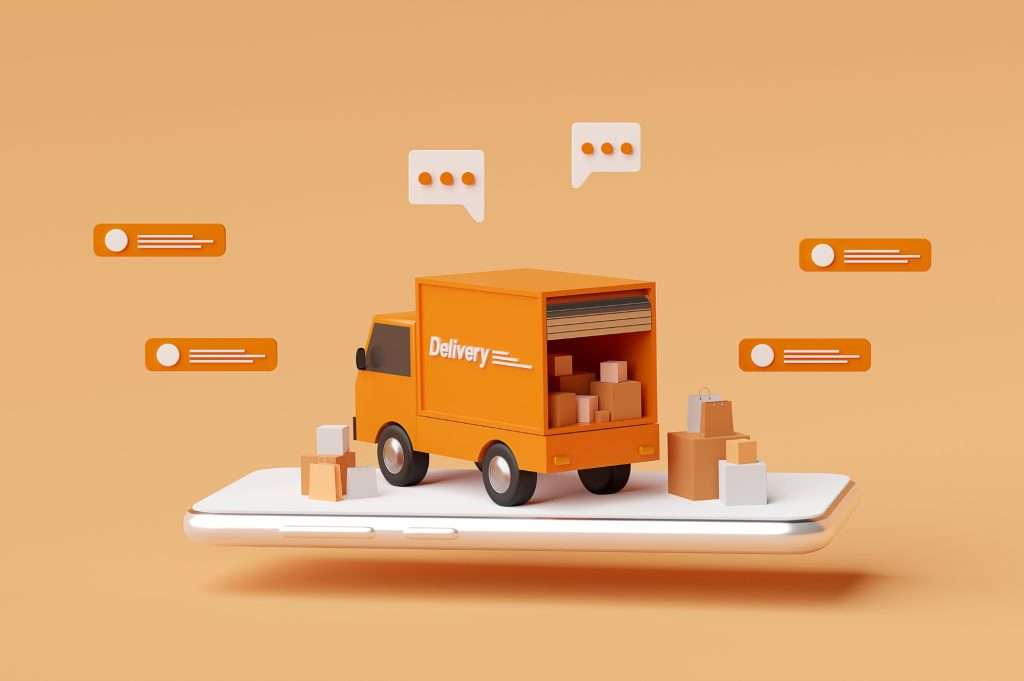
Efficient delivery and convenient payment choices are essential components of every successful online business. Even the best items might lose clients if their delivery or payment methods fail.
- Choose Reliable Logistics Partners.
Timely delivery fosters confidence and consumer loyalty. You can handle logistics in two ways: Self-fulfillment involves handling packaging and shipping directly through courier providers such as India Post, Blue Dart, or DTDC. Third-party logistics (3PL): Hire logistics businesses such as Shiprocket, Delhivery, XpressBees, or Ecom Express to handle pickup, packing, and delivery for you.
Pro Tip: Choose logistics partners who offer real-time tracking, COD (Cash on Delivery), and return management services.
2. Define Your Shipping Policy:
Be open about shipping costs, delivery times, and return/exchange policies. To entice clients, provide free shipping or a discount on minimum order values.
3. Establish a Secure Payment Gateway:
A reliable payment mechanism is crucial for gaining client trust. Popular gates in India include the following:
- Razorpay
- PayU
- Cashfree
- Paytm
- CCAvenue
- Stripe (for International transactions)
These platforms accept a variety of payment methods, including UPI, debit/credit cards, net banking, and wallets, making them convenient for all customers.
- Enable COD (Cash on Delivery): Many Indian customers prefer to pay after delivery, so enabling COD can increase sales and build confidence.
- Integrate Order Management Systems: Ecommerce platforms typically support automatic syncing of inventory and order records, facilitating order processing, customer updates, and error reduction.
Step 8: Market Your Ecommerce Business
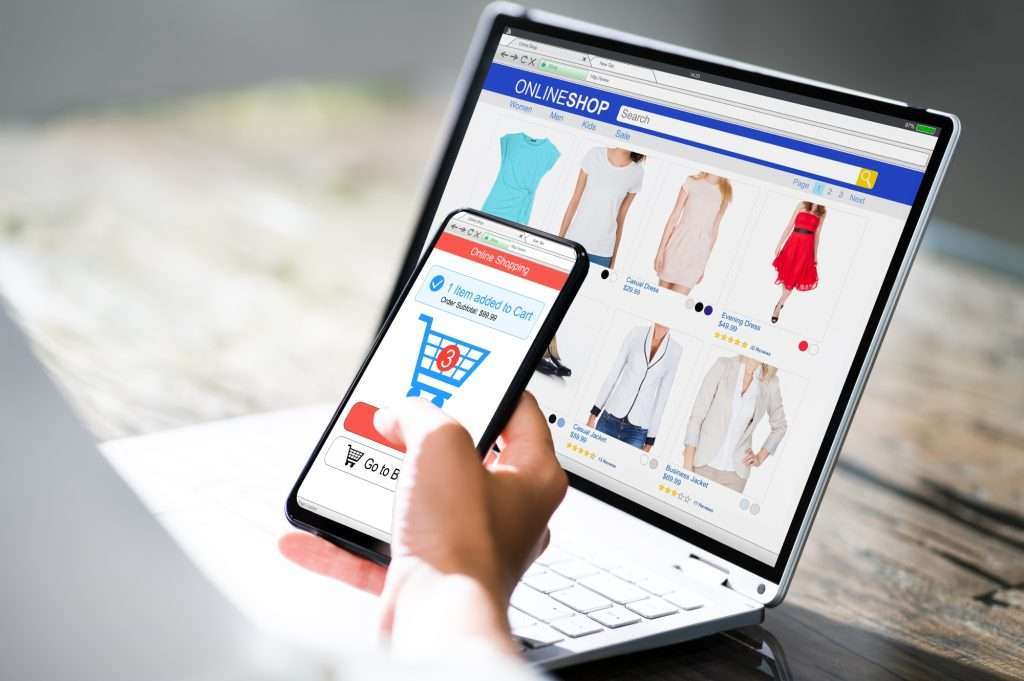
Now that your store is launched, it's important to attract customers and increase visibility. A great marketing plan guarantees that people find your products and believe in your brand.
- Social media marketing entails promoting your items on Instagram, Facebook, and Pinterest using compelling pictures, clips, and customer stories.
- SEO: Use relevant keywords in your product titles, descriptions, and meta tags. Consistent blog material also boosts your Google ranking.
- Email Marketing: To keep customers, send regular newsletters, discount offers, and product updates.
- Influencer Collaborations: Work with niche influencers to increase brand reputation and reach.
- Paid Ads: Use targeted Meta (Facebook and Instagram) and Google Ads to increase website traffic and sales.
Effective conversions require consistent branding, high-quality images, and trust-building communication.
Step 9: Manage Analytics & Growth

To build your ecommerce business, you must track performance and better understand your clients.
- Use Google Analytics, Meta Pixel, and Hotjar to track traffic, user behavior, and conversions.
- Concentrate on customer retention using loyalty programs, targeted offerings, and holiday discounts.
- Scale gradually, by adding additional products, exploring new categories, or listing on prominent marketplaces such as Amazon, Meesho, and Flipkart.
Data-driven decisions help you enhance your approach and assure long-term growth.
Step 10: Common Mistakes to Avoid in Ecommerce Business

Even outstanding firms might fail due to small errors. Look out for these:
- Using bad product graphics or missing price information.
- Ignore customer feedback and reviews.
- No clear return/refund policy.
- Inconsistent branding and web presence.
Avoiding these faults promotes client trust and long-term success.
Conclusion
Starting an ecommerce business may appear daunting, but following these 9 basic steps — from establishing your niche to scaling your brand — may make the experience easier and more enjoyable.
The digital industry in India is developing, and now is the ideal time to turn your idea into a profitable online business.
Are you ready to launch your ecommerce business?
FilingPro makes it easy to register and set up your business online — quickly, simply, and affordably!

Ready to Start your Ecommerce Business journey?
Get expert guidance, legal support, and seamless documentation with FilingPro — your trusted partner for company registration and compliance in India. From Company Registration to GST we handle it all.
Transparent | Quick Process | Expert Support
Read Latest News on Ecommerce Business : Click Here