


Cybersecurity for Startups and SMEs- Overview
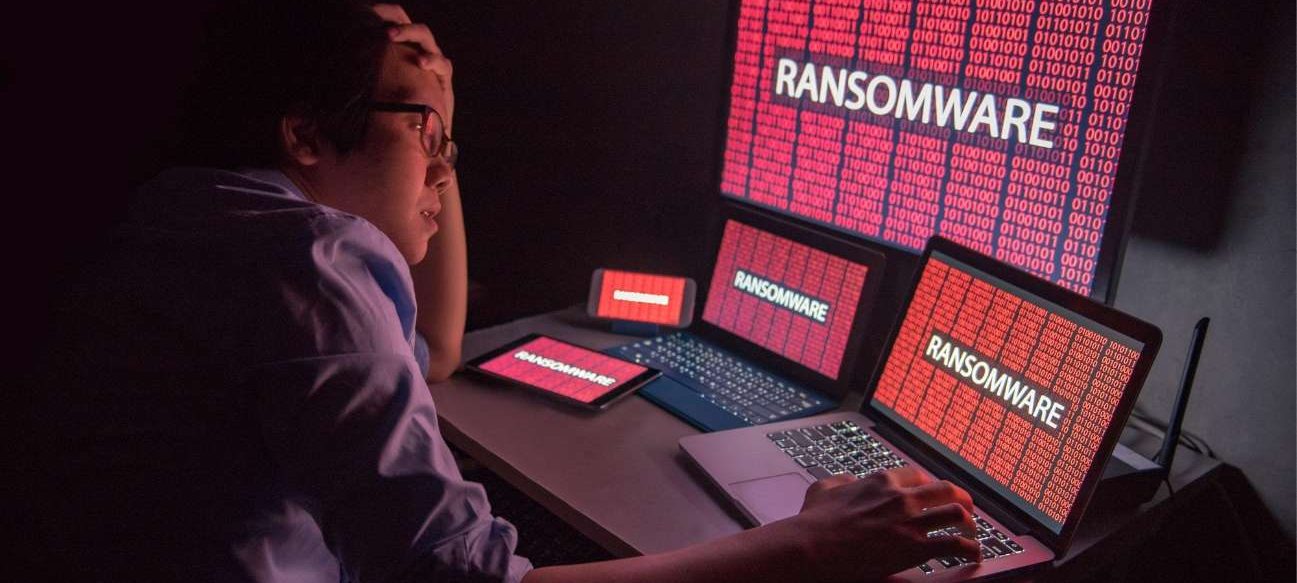
Cybersecurity has become a critical pillar of success in today’s digital economy. The growth of online operations means startups and small businesses are now more exposed than ever to cyber threats. From phishing emails and ransomware to data breaches and financial fraud, the digital landscape is becoming increasingly dangerous—and ignoring these risks is no longer an option.
Unfortunately, many startups and SMEs still treat cybersecurity as an afterthought. With limited budgets and a strong focus on growth, it's common for founders to delay implementing security protocols—thinking they’ll "deal with it later." But this mindset can be risky and, in some cases, fatal for a business.
Cybercriminals are aware that small businesses often lack dedicated IT teams or robust digital defenses. This makes them prime targets. A single successful cyberattack can lead to financial losses, legal liabilities, data theft, customer distrust, and even permanent closure.
As more transactions, communications, and operations shift online, cybersecurity is no longer a "nice-to-have"—it’s a critical necessity. Whether you’re just getting started or trying to scale, securing your digital assets is key to ensuring long-term success, stability, and trust.
In this blog, we’ll explore why cybersecurity should be a top priority for startups and SMEs—and the real risks of ignoring it.
What’s Causing Cyberattacks on Startups and SMEs?
Startups and SMEs are increasingly vulnerable to cyberattacks for a variety of reasons. Unlike large enterprises, they often lack the time, resources, or expertise to build strong cybersecurity systems. Here are some of the most common causes that make them easy targets:
1. Weak or No Security Infrastructure
Many startups launch their websites, apps, or tools without implementing basic cybersecurity measures like firewalls, SSL encryption, or secure hosting. Hackers take advantage of these loopholes to gain unauthorized access.
2. Lack of Employee Awareness
Employees often unknowingly become the weakest link in the security chain. Clicking on suspicious links, downloading unsafe attachments, or using weak passwords can open doors for phishing attacks, malware, and ransomware.
3. Poor Password Practices
Using default, weak, or repeated passwords across multiple platforms makes it easier for hackers to crack into systems using brute-force attacks or credential stuffing.
4. Unsecured Networks and Devices
Startups that allow remote work without secured VPNs, antivirus software, or proper access controls risk exposing sensitive business data through unsecured Wi-Fi connections or personal devices.
5. Outdated Software or Unpatched Systems
Using outdated software, plugins, or operating systems without regular updates or patches creates vulnerabilities that hackers exploit.
6. Third-Party Tools and Integrations
Relying on third-party applications for payment processing, file sharing, or CRM—without vetting their security standards—can create indirect entry points for attackers.
7. Lack of Regular Data Backups
Many SMEs don’t back up data regularly. In the event of a ransomware attack, they’re left with no option but to pay the ransom or suffer a permanent loss of critical business information.
How Can Startups and SMEs Protect Themselves?
While cyber threats are real, they are also preventable. Here’s how startups and SMEs can safeguard their digital assets without breaking the bank:
1. Invest in Basic Cybersecurity Tools
Start with essential tools like:
- Antivirus and anti-malware software
- Firewalls and intrusion detection systems
- SSL certificates for websites
- VPNs for remote access
These foundational tools can prevent most common threats.
2. Implement Strong Password Policies
Encourage the use of:
- Unique, complex passwords
- Password managers
- Two-factor authentication (2FA) or multi-factor authentication (MFA)
These measures significantly reduce the risk of unauthorized access.
3. Train Your Team
Cybersecurity awareness training should be a part of your onboarding and ongoing processes. Teach employees how to identify phishing emails, avoid unsafe downloads, and report suspicious activity.
4. Keep Software and Systems Updated
Ensure that all software—including CMS platforms, plugins, and operating systems—is regularly updated and patched to fix known vulnerabilities.
5. Regularly Back Up Data
Schedule automatic, encrypted backups of your important business data to secure cloud storage or offline hard drives. This will help you recover quickly from a breach or ransomware attack.
6. Restrict Access and Monitor Activity
Give employees access only to the data and systems they need. Implement role-based access control (RBAC), and use monitoring tools to track unauthorized or suspicious behavior.
7. Secure Third-Party Integrations
Evaluate and monitor third-party vendors. Ensure they follow industry-standard cybersecurity protocols. Don’t give them more access than necessary.
8. Have a Response Plan in Place
Despite your best efforts, breaches can happen. A well-documented incident response plan ensures that you can act quickly and minimize the damage.
Real-Life Example: The Cost of Ignoring Cybersecurity – A Fintech Startup's Story
In 2022, a growing fintech startup based in Bengaluru, India, became the victim of a ransomware attack—an incident that shook the entire company and exposed the risks of overlooking cybersecurity.
What Happened?
The startup, which offered digital payment solutions for small merchants and retailers, operated entirely online. It had built a user base of over 50,000 merchants and managed sensitive financial data, including KYC documents, transaction records, and user credentials.
One morning, the team discovered they were locked out of their servers. A message popped up on all admin systems: the company’s data had been encrypted by ransomware, and the attackers were demanding a ransom in Bitcoin to release it.
The company had no data backup policy, no endpoint detection systems, and no cyber insurance. While they did use antivirus software, it wasn’t advanced enough to detect or stop the attack, which came through a phishing email that an employee unknowingly clicked.
The Impact
- System Downtime: The company’s platform was down for nearly 72 hours, leading to thousands of failed transactions.
- Financial Loss: They ended up spending over ₹10 lakhs on incident response, server recovery, and emergency IT consultation.
- Customer Trust Erosion: Many users lost confidence in the platform’s security and shifted to competitors.
- Regulatory Scrutiny: Because financial data was involved, the startup came under investigation by data protection authorities and had to submit compliance reports.
- Lost Partnerships: A few fintech partnerships were put on hold due to the incident, delaying funding opportunities and expansion plans.
Lessons Learned
Post-attack, the startup restructured its IT infrastructure and hired a cybersecurity consultant. They began implementing:
- Regular data backups
- Two-factor authentication
- Email filtering and endpoint protection
- Employee awareness training
This case highlights a crucial lesson: cyberattacks are not just a big company problem. Startups handling digital operations—especially in fintech, healthtech, and edtech—are prime targets due to the sensitive nature of their data.
The Real Cost of Cyberattacks on Startups and SMEs
Cyberattacks don’t just cause temporary disruptions—they can have long-term financial, operational, and reputational consequences, especially for startups and SMEs that may not have the resources to recover quickly. Here's a look at what these attacks can really cost:
1. Average Cost of a Data Breach
According to IBM’s 2023 Cost of a Data Breach Report, the global average cost of a data breach is around $4.45 million (₹36+ crore). While large enterprises absorb these costs better, the impact is often devastating for smaller firms.
- For small businesses, studies estimate that the average cost of a breach ranges between ₹30 lakhs to ₹1 crore depending on the severity.
- These costs include IT recovery, legal fees, ransom payments, regulatory penalties, customer loss, and reputational damage.
Startups operating with tight budgets and no contingency plans often face major setbacks, delays in funding, or even closure after a cyberattack.
2. Time to Detect, Respond, and Recover
Cybersecurity Ventures reports that:
- It takes an average of 277 days (around 9 months) to identify and contain a breach.
- Ransomware attacks typically result in 5 to 21 days of downtime, depending on how prepared the company is.
- Every day your systems are down means lost sales, lost users, and operational chaos.
For digital-first startups, even a few hours of downtime can mean irreversible damage to user trust and business continuity.
3. Survival Rate: Startups After a Cyberattack
According to data from the U.S. National Cyber Security Alliance (NCSA):
- 60% of small businesses that suffer a major cyberattack go out of business within 6 months.
- The top reasons include:
- Inability to recover lost data
- Legal liabilities and fines
- Loss of customer trust
- Investor concerns or funding delays
In India, with increasing data regulations and digital adoption, the risk is even higher for early-stage companies not yet mature in their operations or finances.
4. Hidden and Long-Term Costs
Apart from direct losses, there are hidden costs that linger long after the attack:
- Rebuilding IT infrastructure
- Audits and compliance checks
- Higher insurance premiums
- Delayed product development
- Increased customer support costs
- Brand rebuilding expenses
Many of these are unplanned costs, and for bootstrapped startups, they can completely derail business goals.
The Importance of Cyber Insurance for Startups and SMEs
While firewalls, antivirus software, and employee training are critical layers of defense, they can’t guarantee 100% protection from cyber threats. Even with the best practices in place, breaches can still happen. That’s where cyber insurance (also known as cyber liability insurance) comes in—offering a crucial financial safety net in the event of an attack.
What Is Cyber Insurance?
Cyber insurance is a type of business insurance policy that helps cover the financial losses and legal costs associated with cyberattacks, data breaches, and other digital threats.
For startups and SMEs, cyber insurance ensures business continuity by covering both direct and indirect costs after an incident.
What Does Cyber Insurance Typically Cover?
Depending on the policy, cyber insurance can help cover:
First-Party Losses
These are direct expenses your business incurs due to a cyber incident:
- Data recovery costs
- Ransomware payments
- Business interruption losses (due to downtime)
- Crisis communication and PR expenses
- Forensic investigation costs
- Notification to affected customers
Third-Party Liabilities
These cover your legal obligations to clients, vendors, or users whose data may have been compromised:
- Legal defense costs
- Settlements or fines for regulatory non-compliance
- Customer lawsuits over data theft or privacy violations
Why Is Cyber Insurance Important for Startups?
1. Startups Are High-Risk Targets
Cybercriminals often target startups and SMEs because they lack sophisticated security systems. Insurance helps mitigate the financial blow if your defense fails.
2. Limited Financial Buffers
Unlike large corporations, startups typically do not have the cash reserves to handle a multi-lakh cyber incident. A comprehensive cyber policy ensures that a single breach doesn’t drain your working capital or disrupt growth.
3. Investor and Partner Confidence
Having cyber insurance in place shows your commitment to risk management, which can be reassuring to investors, partners, and even clients—especially if you handle sensitive data.
4. Support During Crisis
Many insurance providers offer incident response services including legal advice, IT forensics, and communication strategy—giving startups access to expert support at a critical time.
Is It Expensive?
Not necessarily. For small businesses, cyber insurance plans can start as low as ₹25,000 to ₹50,000 annually depending on:
- Size and revenue of the business
- Type of data handled (personal, financial, health, etc.)
- Industry and associated risks
- Existing cybersecurity measures in place
In comparison to the potential financial damage of an attack (which could run into lakhs or even crores), this is a small investment for peace of mind.
Free or Affordable Cybersecurity Tools for Startups and SMEs
One of the biggest misconceptions among startups and small businesses is that cybersecurity is expensive or overly complex. In reality, there are plenty of reliable, cost-effective tools that offer excellent protection for digital operations—even for early-stage startups with limited IT resources.
Here’s a curated list of beginner-friendly and budget-conscious cybersecurity tools every startup should consider:
1. Antivirus & Anti-Malware Software
Bitdefender Free Edition
A lightweight and powerful antivirus solution with real-time threat detection, web protection, and anti-phishing features.
Great for: Individual laptops and desktops used by employees.
Cost: Free (Premium version available with advanced features).
Avast Business Antivirus
Trusted globally, Avast offers antivirus protection tailored for small businesses. It includes ransomware protection, firewall, and email security.
Great for: Businesses looking for endpoint protection.
Cost: Free version available; paid plans start at ₹1,200/year/device.
2. Password Management Tools
LastPass
Securely stores passwords and enables easy sharing within teams. Comes with a built-in password generator and dark web monitoring.
Great for: Managing login credentials securely across multiple platforms.
Cost: Free for individuals; team plans start at ₹300/user/month.
Bitwarden
An open-source alternative to LastPass with strong encryption, browser integration, and team sharing options.
Great for: Startups looking for transparency and affordability.
Cost: Free version available; team plan starts at $3/user/month.
3. DDoS Protection and Web Security
Cloudflare
Offers free protection against Distributed Denial of Service (DDoS) attacks, bot attacks, and website vulnerabilities. Also speeds up your website with its global CDN.
Great for: Websites, landing pages, and e-commerce platforms.
Cost: Free for basic use; Pro plans start at $20/month.
Sucuri SiteCheck
A free website scanner that detects malware, blacklisting status, and security issues.
Great for: Regularly auditing website health.
Cost: Free scan; paid firewall and monitoring plans available.
4. Secure Communication and Cloud Storage
Google Workspace (Formerly G Suite)
Provides professional email, cloud storage, real-time collaboration tools, and built-in two-factor authentication (2FA).
Great for: Team collaboration with security built-in.
Cost: Plans start at ₹136/user/month (Business Starter).
ProtonMail
An encrypted email service that keeps communication private and secure.
Great for: Founders, legal teams, or anyone handling confidential conversations.
Cost: Free basic version; paid plans start at $4/month.
5. Network Security & VPN
TunnelBear
A user-friendly VPN that encrypts internet traffic and hides IP addresses. Good for public Wi-Fi protection.
Great for: Remote teams or frequent travelers.
Cost: Free with 500MB/month; unlimited data starts at ₹250/month.
NordLayer (by NordVPN)
Designed for small businesses, offering secure remote access, dedicated servers, and admin controls.
Great for: Startups with hybrid or remote work models.
Cost: Starts at $7/user/month.
6. Employee Awareness Training
PhishingBox
Simulates phishing attacks to test employee awareness and provide real-time training.
Great for: Educating teams on how to avoid phishing and social engineering threats.
Cost: Free trial available; paid plans based on user count.
Cybrary
Offers free and paid courses on cybersecurity fundamentals, compliance, and incident response.
Great for: Upskilling non-technical teams.
Cost: Many free courses; certification tracks are paid.
Conclusion
In a world where digital threats are growing faster than ever, cybersecurity is no longer optional—it’s essential. For startups and SMEs, the risks are real, the consequences are costly, and the margin for error is small.
From phishing scams and ransomware to data breaches and regulatory fines, a single security incident can derail growth, damage trust, and even lead to permanent business closure. But the good news is—most of these threats are preventable with the right tools, awareness, and planning.
By taking proactive steps like investing in basic security tools, training your team, securing your infrastructure, and considering cyber insurance, even the smallest businesses can build a strong line of defense. Remember, you don’t need a massive budget to stay protected—just the right mindset and a commitment to digital safety.
Start treating cybersecurity as a business priority, not an afterthought. Because in today’s digital age, a secure business is a successful business.